Best Practices for Using Custom Diplomas Legally and Responsibly

Introduction: Custom Diplomas for Display and Personal Use
Custom diplomas for display and personal use are increasingly востребованы across creative, professional, and personal settings. From office decoration and film production to replacement keepsakes and personalized gifts, these documents serve a wide range of legitimate purposes.
However, the growing availability of custom diplomas also raises important legal and ethical questions. Misuse—intentional or accidental—can lead to serious consequences, including reputational damage, legal penalties, or loss of trust.
Understanding how to use custom diplomas legally and responsibly is essential not only for individuals but also for businesses operating in this niche. This guide provides clear, practical, and research-backed best practices to help you stay compliant while maximizing the value of these products.
What Are Custom Diplomas?
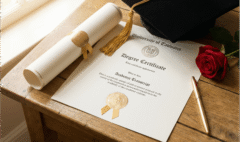
Custom diplomas are non-official documents designed to replicate or resemble academic certificates, typically for visual, commemorative, or creative purposes.
They are commonly used for:
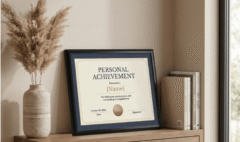
- Decorative displays in homes or offices
- Film, TV, and theatrical props
- Replacement memorabilia (non-official copies)
- Personalized gifts or novelty awards
They are not:
- Accredited academic credentials
- Legally recognized proof of education
- Valid for employment or licensing purposes
Legal Framework: What Is Allowed and What Is Not
The Core Principle: Use vs. Misuse
In most jurisdictions, the legality of custom diplomas depends not on ownership, but on how they are used.
Generally acceptable uses:
- Display and decoration
- Props in media production
- Personal collections
- Clearly labeled replicas
Potentially illegal uses:
- Claiming false qualifications
- Submitting novelty credentials to employers
- Misleading clients or institutions
Real-World Legal Context
- In the United States, misrepresentation of academic credentials may fall under fraud or deceptive practices laws
- In the UK, false representation can be prosecuted under the Fraud Act
- In Singapore, submitting false qualifications may result in criminal charges and employment bans
Ethical Considerations: Why Responsibility Matters
Even when something is technically legal, it may still be ethically questionable.
Transparency Is Essential
Responsible use means:
- Not misleading others
- Clearly distinguishing replicas from originals
- Avoiding situations where confusion could arise
Long-Term Impact
Misusing a diploma—even casually—can:
- Damage professional credibility
- Harm employer trust
- Undermine industry standards
For businesses, unethical practices can lead to:
- Negative reviews
- Payment processor restrictions
- SEO penalties
Best Practices for Individuals
1. Always Use Custom Diplomas for Intended Purposes
Stick to:
- Decoration
- Personal memorabilia
- Creative or entertainment use
Avoid any context where the document could be interpreted as official.
2. Label Clearly When Necessary
If displaying in semi-public environments (office, studio, online background), consider:
- Adding “Replica” or “Sample” indicators
- Avoiding realistic institutional claims
This reduces the risk of misunderstanding.
3. Be Cautious in Professional Settings
Even decorative diplomas in workplaces can be misinterpreted.
Best practices:
- Separate decorative items from actual credentials
- Avoid placing replicas near real certifications
Best Practices for Businesses Selling Custom Diplomas
1. Use Clear and Accurate Product Descriptions
Every product page should include:
- Intended use (display, novelty, prop)
- Disclaimer (non-official document)
- Transparent customization details
2. Avoid Misleading Design Elements
Do not replicate:
- Real university seals
- Official signatures
- Registration numbers
Instead:
- Use generic or fictional designs
- Offer customizable but clearly non-official templates
3. Include Visible Disclaimers
Disclaimers should appear:
- On product pages
- During checkout
- In order confirmations
4. Educate Your Customers
Content marketing is your strongest asset.
This improves:
- SEO authority
- Customer understanding
- Conversion rates
Common Mistakes to Avoid
1. Overpromising Realism
Avoid phrases like:
- “Identical to real diplomas”
- “Undetectable”
These can:
- Trigger compliance issues
- Reduce trust
2. Ignoring Legal Differences by Region
Always consider:
- Local regulations
- International customers
- Platform policies (Shopify, payment gateways)
3. Lack of Customer Education
Most misuse comes from misunderstanding, not intent.
Providing clear guidance reduces:
- Refund requests
- Disputes
- Legal exposure
Practical Use Cases That Add Real Value
Film and Media Production
Used safely as props without legal risks.
Office and Interior Design
Enhances professional aesthetics when used transparently.
Replacement Display Copies
Useful for sentimental or visual purposes only.
Personalized Recognition
Creative awards for teams, events, or milestones.
Building a Trustworthy Brand in This Industry
Long-term success depends on:
- Transparency over short-term sales
- Education over exaggeration
- Compliance over convenience
Brands that align with ethical standards:
- Rank higher on search engines
- Convert better
- Face fewer operational risks
Conclusion
Custom diplomas offer meaningful value across creative, personal, and professional contexts—but only when used responsibly.
By understanding legal boundaries, maintaining ethical standards, and prioritizing transparency, both individuals and businesses can benefit from these products without unnecessary risk.
In a digital landscape where trust directly impacts visibility and conversions, responsible usage is not just a legal requirement—it is a competitive advantage.